Greensboro rewards good landscaping. Dense clay soils, rolling Piedmont grades, humid summers, the occasional ice glaze in winter, and long, bright springs all shape what thrives. Get the design right and the results hold up season after season with less fuss and fewer surprises. Rush it, and even expensive plantings can stall, yellow, or wash out. I’ve worked on yards from Irving Park to Adams Farm and across Guilford County, and I’ve seen both outcomes. The best landscaping in Greensboro NC starts with careful reading of the site, smart plant selection, and a build process that respects our soil and weather. The difference shows a year later, not just on install day.
What “best” looks like here
The phrase “best landscaping in Greensboro NC” floats around online, but on the ground it translates into a few practical things. First, it looks rooted to place. Greensboro sits in USDA zones 7b to 8a depending on microclimate. That means camellias can bloom reliably, but a surprise single-digit night can nip tender new growth. It means crape myrtles bloom robustly if you choose the right cultivar and pruning method. It means fescue is common but cranky under full summer sun without irrigation, while warm-season grasses like Zoysia and Bermuda shine in the heat but go tan in winter. The best landscaping balances those realities with how you use your space.
Second, it holds up to rain. Our storms can dump an inch in a half hour. Proper grading, downspout control, and soil structure matter as much as the prettiest specimen tree. Third, it needs a maintenance plan aligned to your tolerance for upkeep. If you travel or work long hours, don’t plan a boxwood parterre that demands weekly clipping to look right. If you enjoy puttering with pruners on Saturday mornings, you can take on more refined shapes and seasonal color rotations.
Reading a Greensboro site before the first sketch
Before sketching even a loose layout, walk the property slowly at different times of day. Early morning light tells you where cool shade hangs, late afternoon reveals blazing western exposure. Stand under downspouts after a rain and watch where water wants to run. Slip a shovel into the soil in three or four places. You’ll feel that characteristic brick-red clay by the third inch, dense and sticky after rain, and so hard when dry that a mattock beats a spade. That informs how you set drainage, how wide to loosen planting holes, and what to do about compaction from decades of foot traffic or construction.
Look up. Power lines in front yards dictate height limits for street-side trees. Mature oaks drop leaves late, sometimes into December, which affects winter sunlight and fall cleanup. If you have sweetgum, plan for spiky balls underfoot that complicate lawn care. If you have pines, anticipate resin and dry needles that acidify mulch zones and can create hydrophobic layers if not refreshed correctly.
I visit Greensboro sites with a simple kit: a soil probe, a builder’s level or laser for grade checks, a flagging tape roll, and a camera. On one wedge-shaped lot in Starmount, that kit saved a client thousands. We found a subtle swale that carried neighborhood runoff during storms. The prior owner had fought erosion with cheap straw and plugs. Instead of trying to force a lawn to hold that slope, we widened and formalized the swale with river rock and planted wet-foot-tolerant switchgrass and blue flag iris. The lawn stayed drier, the neighbors stopped losing mulch onto the sidewalk, and the new plantings caught sunlight and glittered with rain, a win on all fronts.
Greensboro-friendly plant palette and the art of restraint
It’s tempting to cram a plant list with every showy thing that will technically survive in zones 7 to 8. The better approach is editing. Pick a backbone of structure plants, then weave in seasonal interest. The backbone often includes hollies, camellias, magnolias, and crape myrtles in forms that match the scale of your house. The understory can hold dogwoods, redbuds, and Japanese maples, but choose cultivars suited to your light conditions. For sunny spots, I often use oakleaf hydrangea, coneflower, black-eyed Susan, salvias, and ornamental grasses like little bluestem and Miscanthus. For shade, think autumn fern, hellebores, hostas, and native azaleas.
Evergreen anchor choices matter because Greensboro keeps color in winter through broadleaf evergreens and needle plants. Nellie R. Stevens holly performs reliably as a screening hedge, taking our heat and heavy soil with minimal fuss once established. For a smaller scale, Skip laurels and Osmanthus fragrans give dense screening and fragrance. If you want flowers in the gray months, sasanqua camellias carry you from late fall into winter. For spring, nothing beats the native dogwood when set in the right filtered light and kept off soggy soil.
I favor a restrained palette on each project for two reasons. First, repetition calms the eye and makes small spaces feel intentional. Second, fewer species means maintenance crews or homeowners can learn the habits of those plants and care for them correctly. I’ve seen too many front yards in Greensboro with fifteen different shrubs battling for attention, all pruned into gumdrops. Better to repeat three or four species in drifts, let them express their natural habit, and prune selectively.
The design conversation: lifestyle first, plants second
Design starts with how you want to live, not just how you want it to look from the street. Do you grill most nights from April to October? Where does smoke drift? Is there a shady spot for a July lunch? If you have kids, where do they run barefoot and where do you keep a playset? If you want a native pollinator patch, how close is it to the kitchen door for cutting flowers?
In Greensboro neighborhoods with mature trees, I often create one sunny “room” by thinning lower limbs and setting lawn or a gravel terrace where vegetables or a small cutting garden can thrive. In tighter urban lots near UNCG, privacy drives layout. Taller privacy plantings might go to the neighbor side with a narrow path and lighting that respects dark skies, then a focal weeping Japanese maple or upright holly near the seating area. In newer subdivisions with compact footprints, I pay careful attention to side yards and corner lot sightlines, screening AC units and trash pads with layered plantings that don’t block driver views.
Materials choices matter, too. Bluestone stays cool to the touch underfoot but costs more and can be slick if improperly finished. Pennsylvania fieldstone dry-stack walls look classic but demand a skilled mason and proper backdrain. Locally sourced boulders tie into Piedmont geology and cost less in transport. For paths, Chapel Hill gravel compacts nicely and reads “Southern cottage,” while decomposed granite gives a crisp, modern look and drains well if confined by steel or stone edging. Every material choice has a tradeoff between budget, vibe, and maintenance.
Soil, drainage, and the clay conundrum
Red clay is forgiving in one way. It holds nutrients once you get roots established. Its flaw is poor structure, so water perches. If you plant high, you win. On installs, we set shrubs and trees slightly proud of grade, typically one to two inches above finished soil level, then mound and feather the soil into surrounding grade. Holes are dug two to three times as wide as the root ball, but not deeper, to prevent settling. We rough up the sides of holes so roots can break out of a glazed clay interface.
Amendments help, but not in the way big-box bagged “garden soil” promises. Mixing a little compost into backfill is fine, but avoid creating a bathtub. If you backfill only with fluffy organic matter, the plant’s roots feel no incentive to explore the surrounding clay, plus water collects in the soft zone and rots roots. I usually blend up to 20 or 25 percent screened compost into excavated clay for shrubs, and less for trees, focusing instead on surface-applied compost and mulch that worms and microbes can work down over time. For planting beds, broad area improvement with compost and a touch of expanded slate or pine fines can loosen texture without creating abrupt soil boundaries.
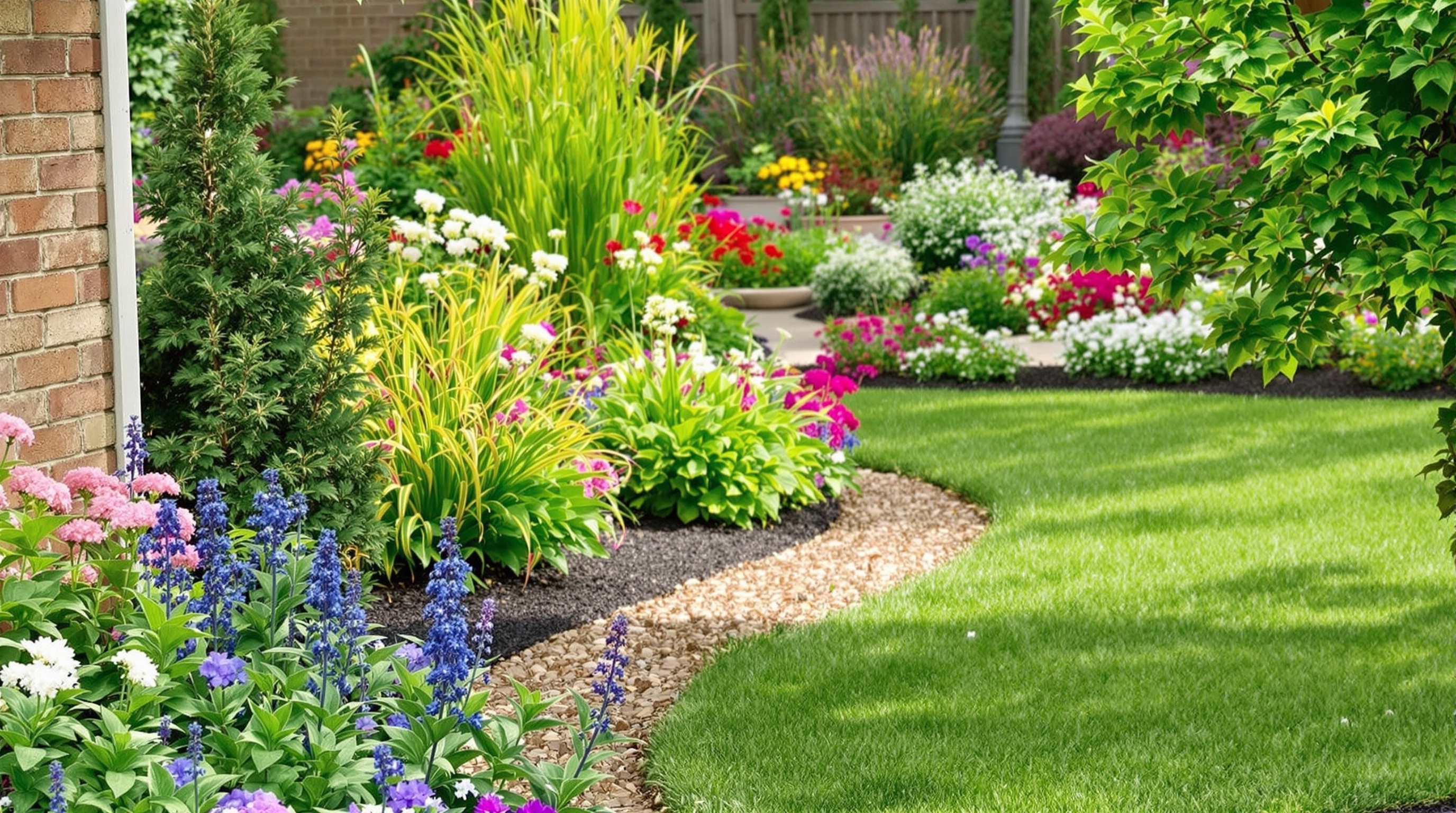
Downspouts deserve their own paragraph. They are the source of more dead shrubs than insects in Greensboro. Extend them with solid pipe to daylight or a dry well. If you tie into a French drain, be sure to run a solid section first to carry clean roof water away before it hits perforated pipe. French drains alone cannot fix poor surface grading. We regrade subtly, aiming for at least 2 percent fall away from the house, and we build shallow swales that direct water to planted infiltration zones or out to the street where allowed.
From paper to ground: the installation sequence that works
A smooth installation follows a proven order. First, utilities get located. You do not dig deep holes without knowing where fiber, gas, or irrigation lines run. Next, we rough grade and shape the site, cut for walls or terraces, and set any necessary drainage pipe. Hardscape comes before delicate plants. We pour or set footers, build walls, install patios and paths, and check every finished surface for pitch. Lighting conduits go in during this stage to avoid tearing up fresh plantings later.
Once the bones are in place, we set trees first, then large shrubs, then perennials and groundcovers. I water in each planting with a solution of water and a mild root stimulator or just plain water if temperatures are high. I set mulch only after the beds are fully planted and watered. For mulch in Greensboro, double-hammered hardwood holds its color, but pine straw can be a smart choice around acid-loving plants and under pines to blend needle drop. Aim for two to three inches of mulch, not five, or you’ll suffocate roots and invite voles.
Irrigation is optional but helpful, landscaping in greensboro nc especially for lawns and sunny perennial beds on west exposures. If we add sprinkler zones, I separate turf from beds so shrubs are not overwatered. For most shrubs and trees, I prefer drip lines or point-source emitters. A simple rule of thumb after installation: deep water twice a week in summer heat for the first growing season, adjusting for rainfall, then taper as roots explore.
Budgets, bids, and where to spend
On Greensboro projects, a typical full-yard overhaul can range widely. A modest front yard refresh with new beds, a few small trees, and a flagstone walk might sit in the 8,000 to 20,000 range depending on materials. Add a rear patio, seat wall, and lighting, and you can quickly run into 35,000 to 75,000, more if you choose premium stone or complex grading. Large properties with terracing, irrigation, multiple patios, and specimen trees can climb past six figures. These are real numbers from recent work across the Triad.
Spend first on grading and drainage. It’s unglamorous, but it protects everything else. Next, pay for high-quality hardscape installation. Stone set right will last decades. After that, invest in fewer, larger plants rather than many small ones. A well-placed 3.5- to 4-inch caliper shade tree changes your microclimate, and you can underplant with more affordable perennials over time. Lighting offers big impact per dollar. A handful of well-aimed fixtures that highlight bark texture, steps, and house numbers make evenings feel welcoming and safe.
Greensboro lawns: cool-season, warm-season, or something else
Ask five Greensboro neighbors what grass to plant and you’ll get a lively debate. Tall fescue is the default for many, seeded or sodded in fall when soil temps suit germination. It stays green year-round, which looks nice in January, but it resents July afternoons without irrigation and light shade. Overseeding annually each fall keeps it dense. If you like summer resilience and can accept winter dormancy, Zoysia and Bermuda thrive. Zoysia offers a dense, soft mat underfoot and competes well with weeds when established. It prefers full sun. Bermuda loves sun and traffic but will creep into beds unless edged sharply and maintained with vigilance.
On several Greensboro projects, we split the difference. A front lawn in filtered shade stayed fescue, while a sunny back play lawn went Zoysia. Each area looks its best in its season and meets the client’s uses. In spots where turf struggles under deep oak shade, consider a no-mow groundcover mix, gravel courtyard, or generous beds with stepping stones. Fighting shade with grass is a losing proposition that wastes water and time.
Native and drought-tolerant choices that earn their keep
Greensboro’s summer humidity does not mean plants never go thirsty. Clay holds water, but rapid drainage on slopes or under large canopies can stress new installs. Native and adaptable plants reduce the need for constant intervention. For sun, I reach often for Carolina phlox, beebalm, rattlesnake master, gaura, and switchgrass. They bring pollinators and handle heat. For part shade to shade, foamflower, Christmas fern, sweetspire, and Fothergilla are reliable. Mountain laurel can work with careful siting and soil preparation.
One backyard in New Irving Park we converted from a failing ivy slope to a layered native scheme. We used a matrix of little bluestem, aromatic aster, and prairie dropseed, with clusters of winterberry holly and serviceberry. By the second year, irrigation was off except in stretches of deep drought. The slope knit together, birds found berries through winter, and the bees made a highway of the aster each fall. That, to me, is what “best landscaping in Greensboro NC” looks like when done thoughtfully.
Seasonal rhythms: what to expect and when
Timing saves money. Plant trees and shrubs in fall or early spring when soil is workable and roots can settle in without heat stress. Perennials go in spring through early fall, but avoid peak heat for finicky species. Overseed fescue in September through mid-October, earlier if a hot summer cooked your lawn. Apply pre-emergent herbicides in early spring if you maintain turf, but keep them out of planting beds where they can interfere with desirable self-seeding perennials.
Pruning varies by plant. Do not top crape myrtles. Selectively thin crossing branches after bloom if needed. Prune azaleas just after flowering, not in winter, to avoid removing buds. Shear hedges lightly and often rather than hard every few months. Greensboro winters swing. A warm spell in February can tempt buds to swell, followed by a freeze. Avoid heavy feeding during winter warm-ups, and protect early bloomers with a frost cloth if a late cold snap threatens.
Mulch refreshes in spring or fall. Do not pile against trunks, the notorious “mulch volcano.” Pull mulch an inch back from bark to discourage rot and voles. Top-dress beds annually with a half inch of compost before mulch to feed soil life.
Lighting and evenings that feel like home
Outdoor lighting in Greensboro serves two masters, safety and atmosphere. Low-voltage LED systems sip power and last. I aim to light grade changes, path edges, and the main entry, then add a few accents to specimen trunks or textured walls. Resist the urge to blast uplights at windows or wash the entire facade. Your neighbors and the moths will thank you. Warm color temperatures around 2700K to 3000K feel comfortable. In pollen season, fixtures take a yellow dusting. A quick wipe keeps lenses bright. Plan for seasonal leaf-out when positioning fixtures so plants don’t swallow beams by June.

Working with a landscaper in Greensboro: how to interview and compare
If you’re searching for landscaping in Greensboro NC, you’ll find solo designers, design-build firms, and installation crews who can follow a plan. Each model can work. What matters is fit and process. Ask to see projects at least a year old. Greensboro summers expose shortcuts fast. Ask how they manage drainage, what their planting warranty covers, and how they handle soil preparation. A good landscaper explains why they plant high in clay, how they stage hardscape, and what maintenance looks like after install.
Comparing bids can be tricky because line items differ. Look for specific plant sizes, not just names. A 7-gallon holly and a 15-gallon holly are both “holly” on paper, but the 15-gallon sets immediate presence. For stonework, confirm thickness and base prep. A patio set on 4 inches of compacted ABC stone behaves differently than one set on 2. If a bid seems low, check if it excludes hauling, stump grinding, or irrigation repairs. If a bid seems high, ask what it includes that others missed, like soil amendments, lighting conduit, or root barriers near driveways.
Two quick checklists for Greensboro projects
- Site prep essentials: locate utilities, map downspouts, test soil texture in three spots, shoot grades for positive fall, identify sun and shade zones, and note any tree protection needs before equipment arrives. Planting day rules: dig wide not deep, break glaze on clay walls, plant slightly high, water in thoroughly, and set 2 to 3 inches of mulch without touching trunks.
A few project snapshots that teach lessons
On a corner lot near Friendly Center, traffic noise and foot traffic shaped the plan. We built a low earthen berm along the sidewalk topped with switchgrass and a staggered row of wax myrtles. The berm broke sightlines, the grasses hissed in the wind and muffled sound, and the interior yard felt private without a fence. The trick was soil. We staged a blended topsoil-compost mix and compacted the berm core in lifts, then added a looser planting layer. Two years on, there’s no settling and the edge holds.
In Lake Jeanette, a client wanted a pool with minimal hardscape glare. We set a narrow band of limestone around the water for safety, then stepped immediately to river rock swales, pockets of perennials, and a grove of columnar hornbeam as a living screen. A separate gravel terrace with a steel-edged outline allowed water to infiltrate. The design turned a typical pool deck into a garden. It required careful weeding the first season, but by year two, the perennials closed ranks and maintenance dropped.
A South Elm cottage had a north-facing front yard that stayed damp. Instead of fighting moisture, we leaned into it with a rain garden tucked between a pair of paperbark maples. Blue flag iris, soft rush, and clethra loved the periodic wet feet. We ran two downspouts into the basin with overflow to a discreet curb cut where allowed by the city. Summer storms became a show, not a mess.
Maintenance that honors the design
The best landscaping in Greensboro NC keeps its shape with light, regular care. Edge beds cleanly twice a year. Pull weeds when small. Refresh mulch thinly. Deadhead perennials that respond, like coneflower and salvia, to push a second bloom. Let others, like black-eyed Susan, seed for birds and spring volunteers. Fertilize lawn according to soil test results from the Guilford County Extension office rather than guess. If you’ve moved to warm-season turf, schedule scalping and green-up timing to avoid spring cold snaps, generally later than your neighbor who jumps the gun.
Watch for lace bug on azaleas and pieris in hot, sunny exposures. Look underneath leaves for stippling. Treat early with horticultural oil or adjust the plant’s location in fall to more dappled light. With crape myrtle bark scale becoming more common in the Southeast, inspect bark in midsummer for sooty mold and white felt-like clusters, and consult a local pro for treatment if you spot it.
Irrigation controllers need seasonal adjustment. Our springs can be wet, and summer can be feast or famine. Smart controllers that read local weather help, but nothing beats walking the yard to see how plants respond.
Sustainability and beauty can be the same goal
Resource-wise landscaping pays off in Greensboro. Capture roof water in rain barrels or cisterns for bed watering. Choose plants that feed pollinators through the seasons, from spring redbud and serviceberry to summer coneflower and beebalm to fall aster and goldenrod. Reduce turf where it struggles and convert it to plantings that shade soil and keep roots in the ground year-round. Add trees. Even one strategically placed shade tree on the southwest corner can lower indoor cooling loads. Consider permeable paving for secondary paths and terraces so rain recharges rather than runs away.
If you want formal lines and clipped hedges, you can still build in ecological wins. Boxwood allees can be flanked by pollinator bands. A geometric gravel court can host a seasonal pot rotation that feeds bees. Design is not a zero-sum game between tidy and wild. It is a set of choices that reflect your taste, your time, and the Greensboro climate.
Choosing your path forward
Whether you plan to DIY a modest front bed or engage a design-build firm for a full property transformation, the same principles apply. Respect the site, especially the clay and the rain. Choose a plant palette that suits zones 7b to 8a and your maintenance appetite. Sequence the installation so drainage and structure come first, then the green. Invest where it lasts: grading, hardscape, and a few statement trees. Keep after it with light, regular care rather than once-a-year panic.
Greensboro rewards that approach. Dogwoods glow under tall oaks in April. Hydrangeas bow in June. Late summer grasses catch the slanting sun. A decent frost in November adds lace to seed heads and clears the stage for camellias to open when the world goes quiet. When you hear people talk about landscaping greensboro or the best landscaping in Greensboro NC, remember that what they really mean is a yard that makes sense here, in this light, with this soil, and in your life. Done well, design to installation becomes the start of a longer, richer relationship with your home and the patch of Piedmont it sits on.